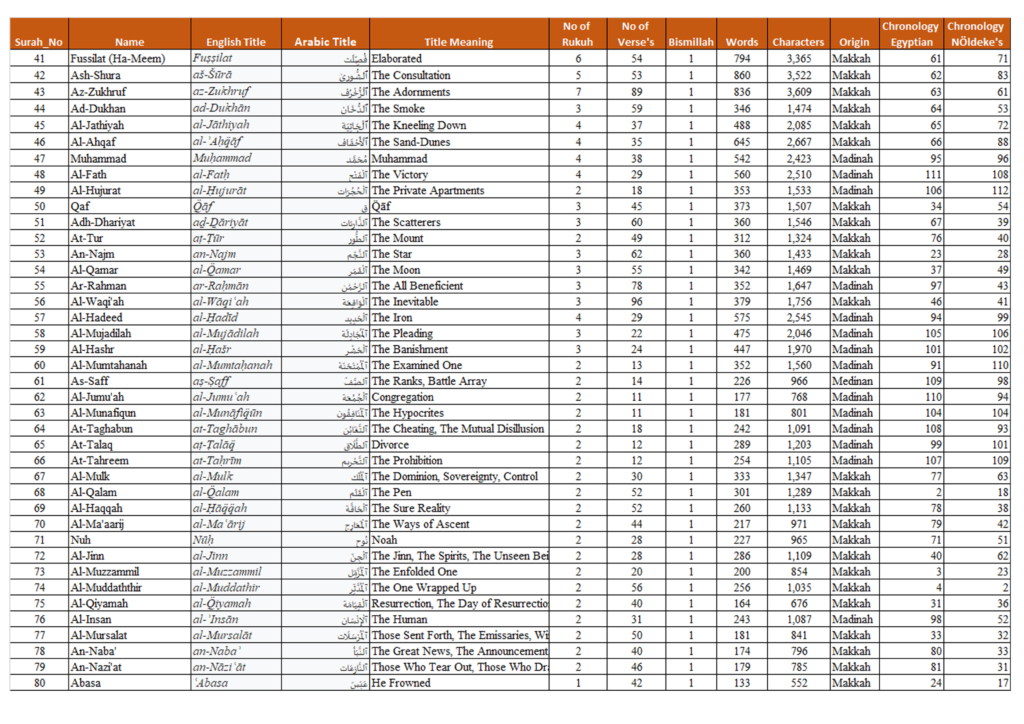
Asbāb al-Nuzūl (أسباب النزول), literally meaning "The Causes of Revelation," is a crucial discipline within 'Ulūm al-Tafsīr (Sciences of Qur'anic Exegesis). It refers to the specific historical events, questions, or incidents that occurred during the lifetime of the Prophet Muhammad (PBUH) which directly preceded and precipitated the revelation of a particular Qur'anic verse or a group of verses. Understanding Asbāb al-Nuzūl provides the historical and situational context for the Divine Address, which is essential for accurate Tafsir (interpretation).
Why Asbāb al-Nuzūl is Essential for Tafsir
Knowing the context of revelation offers profound insights and serves several vital functions for the student of the Qur’an:
- Clarifying Ambiguity: It helps to remove any ambiguity that might arise from a verse taken in isolation. For example, if a verse seems general, its sabab (cause) can clarify that it was intended to address a specific situation, though its ruling might remain general.
- Defining the Scope of the Ruling: It helps scholars define the scope of the legal ruling (Hukm). Scholars generally follow the principle: “The lesson is in the generality of the wording, not the specificity of the cause” (Al-‘Ibrah bi ‘umūm al-lafẓi lā bi khuṣūṣ as-sabab). However, the specific sabab is crucial for understanding how and why the ruling was revealed.
- Understanding Wisdom and Rationale: It reveals the Divine Wisdom (Hikmah) and the underlying rationale behind the legislation. Knowing the problem that led to the revelation illuminates God’s comprehensive solution.
- Identifying the Addressee: It specifies who the primary individuals or groups being addressed were, which aids in historical accuracy and comprehension.
- Resolving Apparent Contradictions: It assists in resolving apparent contradictions between verses by placing them in their correct chronological and thematic order. It is also key in the science of Naskh (abrogation).
Categories of Asbāb al-Nuzūl
The incidents that led to revelations generally fall into three main categories:
Specific Events or Occurrences:
Examples: A battlefield incident, a social dispute, or a specific wrongdoing. For instance, the verses concerning the prohibition of alcohol (Surah al-Baqarah, 2:219; Surah an-Nisā’, 4:43; Surah al-Mā’idah, 5:90} were revealed in stages following the Prophet’s companions asking about its ruling and after specific incidents of intoxication.
Questions Posed to the Prophet (PBUH):
Examples: When people asked the Prophet (PBUH) about the spirit, orphans’ wealth, the new moons, or the time of the Hour. The Qur’an often answers these directly with the introductory phrase “Yasalūnaka…” (“They ask you…”).
Acts or Statements of a Specific Person:
Examples: The verses revealed concerning the slander against A’ishah (R.A.) or the verses concerning the blindness of the Prophet’s uncle, Abbās (R.A.) in Surah `Abasa.
The Two Types of Revelation
Scholars categorize the Qur’anic text into two broad types based on Asbāb al-Nuzūl:
- Qur’an Revealed with a Specific Cause (Mā Nazala bi Sabab):
- This constitutes a minority of the Qur’an and refers to verses directly linked to a specific incident or query, such as the verses regarding inheritance or fasting.
- Qur’an Revealed Without a Specific Cause (Mā Nazala ibtidā’an):
- This constitutes the majority of the Qur’an and includes verses dealing with fundamental beliefs (Tawhīd), ethical guidelines, accounts of previous Prophets, and general legal framework. These verses were revealed primarily to establish the fundamental tenets of Islam and were not dependent on a specific event.
Sources for Asbāb al-Nuzūl
The primary sources for establishing the Asbāb al-Nuzūl are strictly narrations (Riwayāt). A statement regarding Asbāb al-Nuzūl must be traceable back to the Prophet Muhammad (PBUH) or one of his Companions (R.A.)- Statements from the Prophet (PBUH): These are the strongest and most authoritative.
- Statements from the Companions (R.A.): A Companion’s statement like “This verse was revealed concerning this matter” is generally accepted by scholars as authoritative, even if it is not a direct quotation from the Prophet (PBUH), because they were witnesses to the revelation.
Knowledge of Asbāb al-Nuzūl remains an indispensable discipline, serving as a powerful lens through which the timeless wisdom of the Qur’an can be accurately understood and implemented.